Skip to content

Understanding NARIC Diploma Translation
NARIC (National Academic Recognition Information Centre) provides essential services for individuals seeking recognition of their foreign qualifications in the UK. A critical aspect of this process is diploma translation, which ensures that your educational documents are accurately represented in English. This article will guide you through what needs to be translated, how to prepare your documents, and the best practices for a successful submission.
What Documents Require Translation?
When applying for NARIC services, it is essential to understand which documents require translation. The primary documents include:
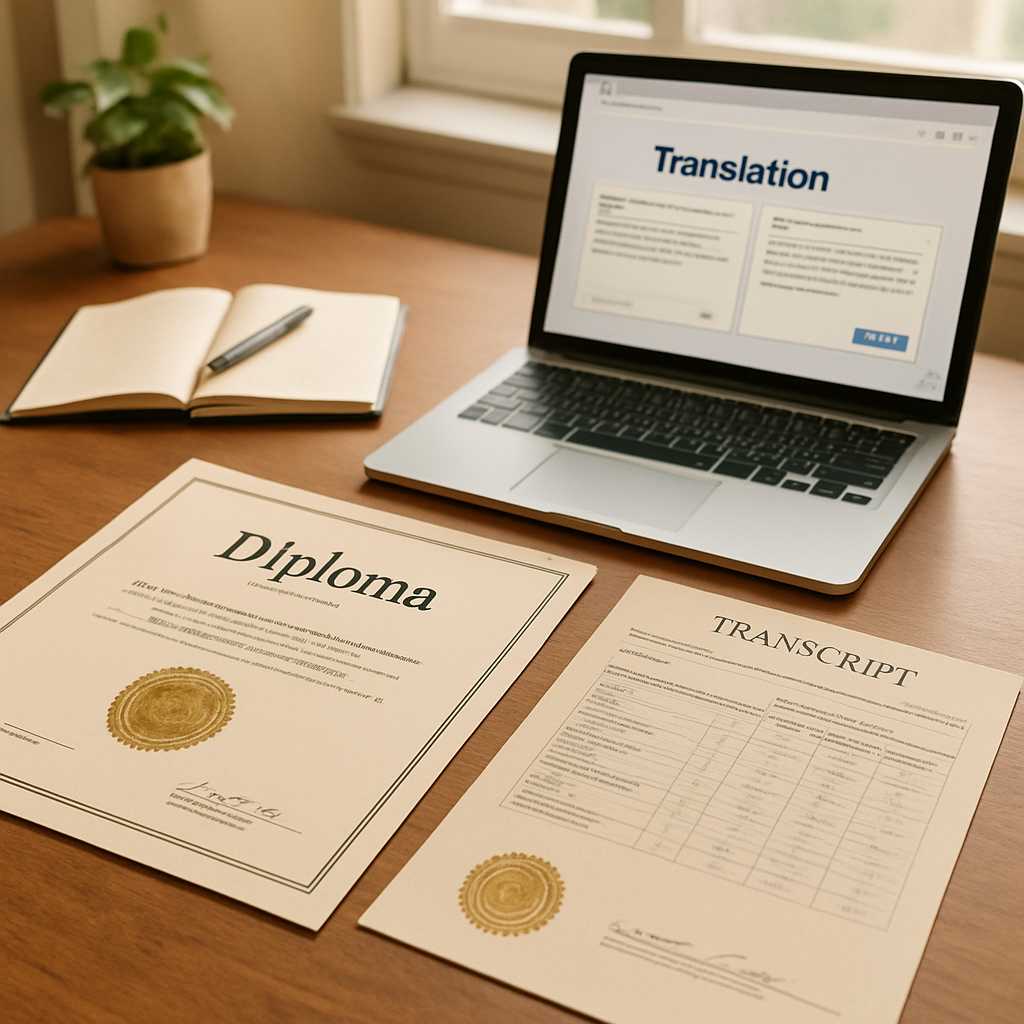
- Diploma Certificates: These are formal documents issued by educational institutions confirming the completion of a course.
- Transcripts: Academic transcripts detail the courses taken, grades received, and overall performance.
- Supplementary Documents: Any additional documents that provide context or details about your qualifications, such as course descriptions or syllabi.
Each of these documents must be translated into English to ensure clarity and accuracy in the evaluation process.
Preparing Your Documents for Translation
Before submitting your documents for translation, follow these steps to ensure they are ready:
1. Gather Original Documents
Collect all original documents that require translation. Ensure they are complete and legible. If any documents are damaged or unclear, consider obtaining replacements from the issuing institution.
2. Check for Official Seals
Many institutions provide official seals or stamps on diplomas and transcripts. These seals add credibility to your documents and may be required by NARIC. Ensure that any official seals are intact and visible on the copies you submit.
3. Create Clear Copies
Make high-quality copies of your original documents. These copies should be clear and easy to read. Avoid using low-quality scanners or printers, as this can lead to misinterpretation during the translation process.
4. Choose a Certified Translator
It is crucial to select a certified translator who specializes in academic document translation. A certified translator will ensure that your documents are translated accurately and meet NARIC’s requirements. Look for translators who are members of recognized professional bodies.
What to Expect from the Translation Process
The translation process involves several key steps:
1. Initial Consultation
During the initial consultation, the translator will review your documents and discuss any specific requirements or concerns you may have. This is an opportunity to clarify the scope of the translation and any deadlines.
2. Translation and Review
Once the translation begins, the translator will convert your documents into English. After the initial translation, a second translator typically reviews the work to ensure accuracy and consistency.
3. Certification of Translation
Upon completion, the translator will provide a certification statement confirming that the translation is accurate and complete. This certification is crucial for NARIC submissions.
Submission Checklist for NARIC
To ensure a smooth submission process, follow this checklist:
- All original documents and copies are included.
- Translations are certified and signed by the translator.
- Official seals are visible on all relevant documents.
- Any supplementary documents are attached.
- A completed NARIC application form is included.
Common Mistakes to Avoid
To enhance your chances of a successful NARIC application, avoid these common pitfalls:
1. Incomplete Documentation
Ensure that all required documents are submitted. Missing documents can delay the evaluation process.
2. Uncertified Translations
Using non-certified translations can lead to rejection of your application. Always opt for certified translators.
3. Poor Quality Copies
Submitting unclear or damaged copies can hinder the evaluation process. Always provide clear, high-quality copies.
FAQs about NARIC Diploma Translation
What is NARIC diploma translation?
NARIC diploma translation involves converting educational documents into English for recognition in the UK.
Do I need to translate my diploma for NARIC?
Yes, translating your diploma and transcripts is essential for NARIC evaluations.
How long does the translation process take?
The translation process can vary but typically takes 5-10 business days, depending on the complexity of the documents.
Can I use a non-certified translator?
No, NARIC requires translations to be completed by certified translators to ensure accuracy.
What documents do I need for NARIC?
You will need your diploma, transcripts, and any supplementary documents that provide context for your qualifications.
Conclusion
NARIC diploma translation is a critical step in the process of having your foreign qualifications recognized in the UK. By understanding what documents to translate and how to prepare them, you can streamline your application process and increase your chances of success. For more information on certified translation services, visit our certified translation page.