 Skip to content


Some words behave. Others pick a fight with your tongue, your spelling, or your confidence.
This guide is for everyone who has ever paused at Worcestershire, typed “definately” three times, or stared at academic jargon wondering if it’s even English. Below, you’ll find:
Hard words to pronounce (with simple pronunciation help)
Hard words to spell (and why they go wrong)
Advanced vocabulary that looks scary but is worth knowing
“Good hangman words” and evil trick words for quizzes
Practical strategies to actually remember them
Where hard words really matter in real life: exams, visas, academic recognition, official translations
Use it as a reference, a study tool, or a reality check that you’re definitely not the only one struggling.
What Makes a Word “Hard”?
A word usually becomes “hard” for at least one of these reasons:
Spelling ≠ Sound
English borrows from everywhere (French, Latin, Greek, etc.), so spelling patterns clash. Think colonel, queue, mnemonic.Consonant Clusters & Awkward Rhythm
Words like rural, squirrel, sixths bunch sounds together in ways many mouths dislike.Silent Letters & Hidden Traps
Subtle, psychology, bureaucracy – letters appear for style, not sound.Unfamiliar Origins
Borrowed words keep foreign patterns: schadenfreude (German), entrepreneur (French), quinoa (Spanish/Quechua).Length or Rarity
Long words (sesquipedalian, otorhinolaryngologist) and rare words are hard because we don’t see or say them often.Meaning + Register
Words can be difficult not just to say or spell, but to use correctly in formal, legal, or academic contexts – something crucial for applications, qualifications, and translations.
Hard Words to Pronounce (and How to Say Them)
These words regularly confuse learners and native speakers. Pronunciations are shown loosely (UK-focused), not strict IPA.
A. Everyday troublemakers
Worcestershire – “WUSS-tuh-sheer” / “WUSS-tuh-shuh”
Rural – “ROO-rəl” (two quick syllables; don’t over-roll it)
Sixth – “SIKSTH” (blend /ks/ + /th/)
Phenomenon – “fi-NOM-uh-non”
Onomatopoeia – “on-uh-mat-uh-PEE-uh”
Colonel – “KUR-nəl”
Mischievous – “MIS-chiv-us” (not mis-CHEE-vee-us)
Quinoa – “KEEN-wah”
Anemone – “uh-NEM-uh-nee”
Choir – “KWIRE”
B. Words with silent or misleading letters
Subtle – “SUT-l”
Ballet – “BAL-ay”
Receipt – “ri-SEET”
Debris – “de-BREE”
Mortgage – “MOR-gij”
C. Tongue-twisting or technical monsters
Otorhinolaryngologist – ear, nose & throat doctor
Synecdoche – “si-NEK-duh-kee”
Sesquipedalian – someone who uses very long words
Hyperbole – “hy-PER-buh-lee”
Schizophrenia – “skit-suh-FREE-nee-uh” (often misread)
Quick technique:
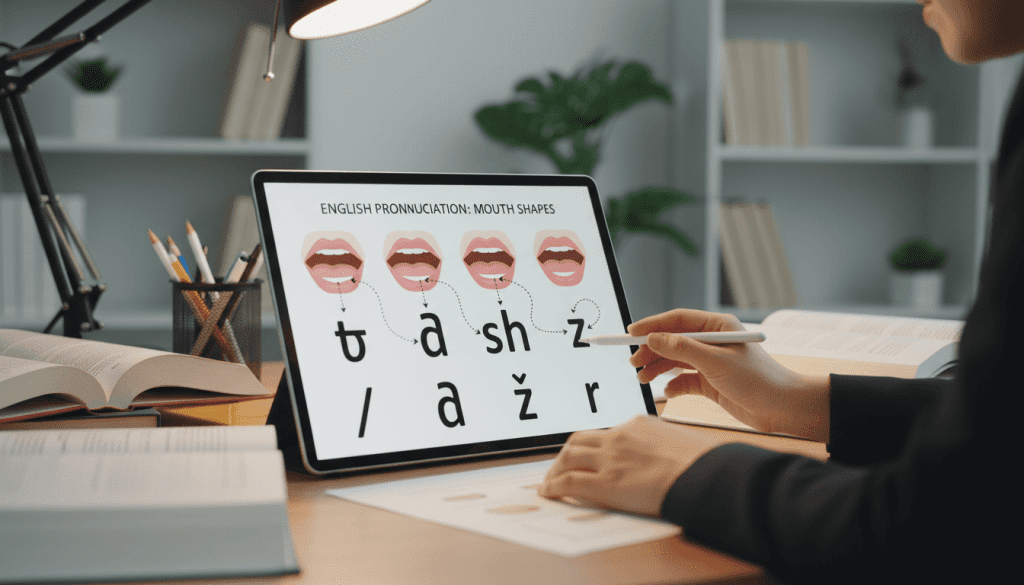
Break each word into chunks, whisper them slowly, then speed up. Use a reputable dictionary with audio (e.g. Cambridge or similar) to check yourself.
Hard Words to Spell (and Why They Trick You)
Spelling difficulty often comes from:
double letters
vowel mixtures (ie/ei, eau, ough)
silent consonants
words that “look right” even when wrong
A. Commonly misspelt hard words
Here are words even strong writers trip over:
Accommodation (not accomodation)
Embarrass (two r, two s)
Occasionally
Maintenance (main-ten-ance)
Pronunciation (no pronounciation)
Separate (think “sep-a-rate”)
Vacuum (double u)
Necessary (one c, two s)
Privilege
Rhythm
B. Really hard words to spell (challenge list)
Use these for spelling bees, quizzes and vocabulary drills:
Conscientious
Bureaucracy
Supersede
Surveillance
Parallel
Millennium
Schizophrenia
Psychedelic
Fluorescent
Pneumonia
Diaphanous
Hallucination
Inconsequential
Transcendental
Omniscient
Antediluvian
Pulchritude
Paraphernalia
Catastrophe
Pharaoh
You can easily extend this into your own “50 hardest words to spell” or “hardest 5-letter words” set by pulling from exam syllabi and academic texts.

Hard Words for Hangman, Word Games & Quizzes
If you’re looking for good hangman words and tricky game choices, target:
rare letters: J, Q, X, Z
no common vowels: try rhythm, lynx, crypt, gypsy
misleading spelling: queue, jazzy, quizzed, phlegm, mnemonic
Sample list:
Rhythm
Psyche
Crypt
Jazz / Jazzy
Quizzed
Knapsack
Pneumonia
Gnomic
Phlegm
Borscht
These also double as excellent practice for pattern recognition and spelling memory.
Difficult Vocabulary Words (With Clear Meanings)
Beyond tongue-twisters, some words are “hard” because they’re abstract, formal, or rarely used. Perfect for academic writing, personal branding, or understanding official documents.
| Word | Simple Meaning |
|---|---|
| Ambiguous | Has more than one possible meaning |
| Convoluted | Overly complicated |
| Eloquent | Expressive and persuasive in speech/writing |
| Meticulous | Very careful with details |
| Ubiquitous | Found everywhere |
| Cognizant | Aware, informed |
| Mitigate | Make something less severe |
| Precarious | Unsafe, unstable, not secure |
| Scrupulous | Honest; extremely careful |
| Ambivalent | Having mixed feelings |
| Esoteric | Understood by only a few with special knowledge |
| Obfuscate | Make something less clear, often on purpose |
| Pertinent | Relevant and appropriate |
| Salient | Most noticeable or important |
| Stringent | Very strict |
These are the words that appear in:
university admission requirements
qualification statements
professional codes of conduct
immigration and licensing guidelines
…so understanding them is not just “nice to have” – it’s practical.
How to Master Hard Words (Without Losing Your Mind)
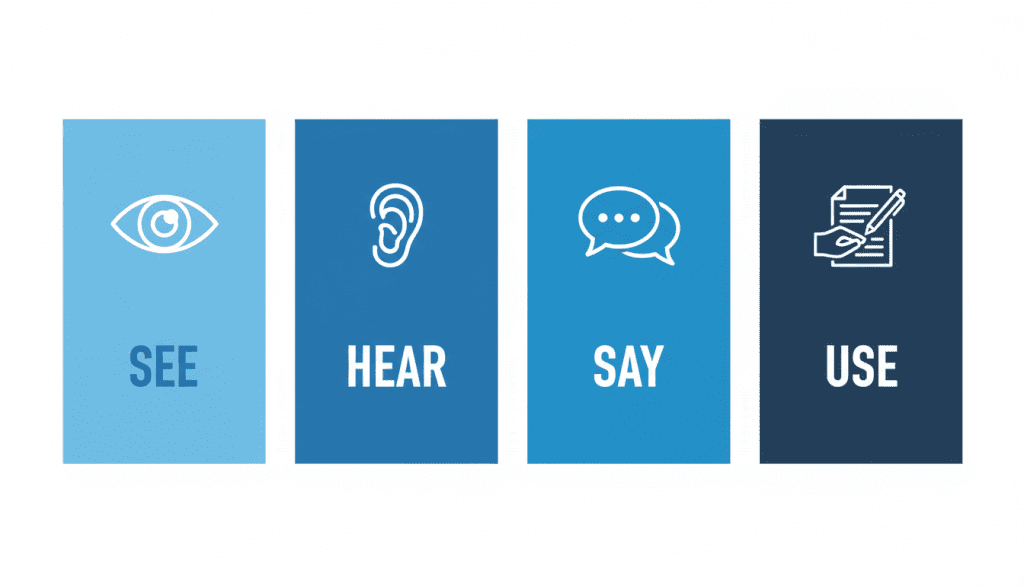
Use a 4-step method
See it
Read the word in a real sentence, not in isolation.Hear it
Listen to native audio from a reputable dictionary.Say it
Repeat slowly, then naturally. Record yourself.Use it
Write one real sentence about your life, studies or work.
Spot patterns instead of memorising chaos
-able / -ible, -ent / -ant, -tion / -sion – learn the rules and common exceptions.
Notice foreign endings: -eau, -que, -sch, -frei, etc.
Group “problem words” (e.g. all silent-b words: debt, subtle, doubt).
Turn mistakes into data
Keep a “hard words” note on your phone.
Every time a word feels difficult (to say, spell, or understand), add:
the word
a short definition
your own example sentence
Review in short bursts, not in one huge session.
When Hard Words Really Matter: Exams, Visas & Official Documents
Misunderstanding a word in a song lyric is harmless. Misunderstanding a word in an official guideline or academic document is not.
Hard words become critical when you’re dealing with:
University admissions & scholarship criteria
Professional registration and licensing
Immigration, visa and settlement applications
Official statements, diplomas, transcripts and legal documents
Ambiguous or mistranslated terminology in these contexts can lead to:
delayed applications
misinterpreted eligibility
rejected submissions
How Naric Org helps
Naric Org supports individuals and organisations by:
Translating and explaining complex academic and legal terminology
Assisting with documentation for UK ENIC / Ecctis recognition
Ensuring your degree titles, grades and learning outcomes are accurately represented in clear, correct English
Helping you avoid errors caused by “false friends”, literal translation or misused jargon



Curated Lists: Hard Words You Can Use & Learn Today
Hard words to pronounce (quickfire set)
Worcestershire, rural, squirrel, sixths, phenomenon, onomatopoeia, synecdoche, quinoa, anemone, entrepreneur, schedule (UK/US), comfortable, February, temperature
Hard words to spell
Accommodation, conscientious, bureaucracy, miscellaneous, manoeuvre, jeopardy, millennium, privilege, surveillance, fluorescent, paraphernalia, indispensable, occasionally
Elegant “hard” words to level up your writing
Articulate, astute, cogent, judicious, nuanced, rigorous, seminal, substantive, unequivocal, verifiable
Use these where clarity matters: statements of comparability, CVs, personal statements, research summaries and reference letters.
If you’d like a checked, polished version of your academic or immigration documents using accurate, natural English, contact us today and we’ll help you get it right the first time.
FAQs About Hard Words
“Hard words” are words that are difficult to pronounce, spell, understand, or use correctly. They might have irregular spelling, silent letters, unusual stress, or very specific meanings in academic, legal or technical contexts.
There’s no single winner, but Worcestershire, rural, squirrel, onomatopoeia, and long medical or technical terms are consistently ranked among the hardest words to pronounce in English.
Again, it depends, but words like accommodation, bureaucracy, conscientious, supersede, and millennium frequently appear in lists of the hardest words to spell due to double letters and irregular patterns.
Use a loop: see the word in context → hear it from a reliable dictionary → say it aloud → use it in your own sentence. Review little and often, and group words by pattern instead of memorising random lists.
Yes. In academic recognition, legal contracts, certificates, and visa-related documents, a single mistranslated or misused term can change meaning. Getting expert help for translations and terminology is strongly recommended—especially when submitting documents to bodies like ENIC / Ecctis, universities, or immigration authorities.
Absolutely. Naric Org can assess, translate and clarify complex wording in your educational documents so they are correctly understood by UK and international institutions. You can start your project by uploading your documents securely for review.
Ready To Get Started?
Fill out our form, and we’ll promptly follow up with a detailed overview of your project.
Positive Reviews From Customers
Professional and accurate translations. Highly recommended for UK ENIC applications!
The translation service was efficient, and my Statement of Comparability was processed without delays!
Great support throughout the process. Quick and reliable service.



Anne K.